SDG 2: Zero Hunger
Supports education on nutrition, food security, and sustainable agriculture to build healthier communities and help end hunger.
Integrated food security, nutrition, and sustainable agriculture into BSN, BSBA, Accountancy, Education, IT, and General Education courses. Embedded contextualized learning using KADIWA and local food systems as case studies. Promoted student engagement through nutrition education and community immersion programs.
Bringing food security closer to the community—connecting learning, local food systems, and meaningful student engagement through KADIWA ng Pangulo.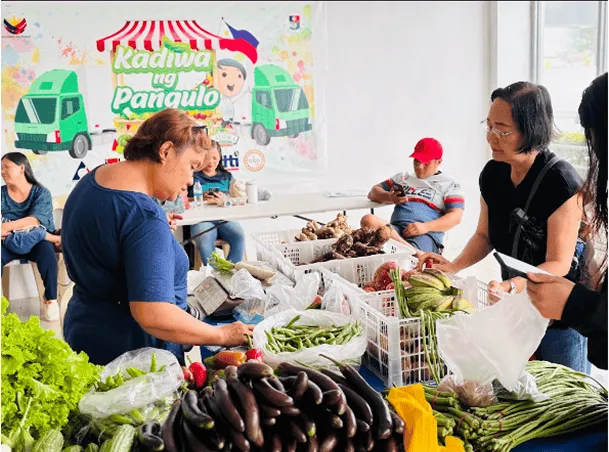
Conducted research on poverty alleviation, livelihood, food security (e.g., KADIWA initiatives), and inclusive economic development Developed policy-relevant studies in partnership with LGUs and national agencies Promoted interdisciplinary research involving Business, IT, Nursing, Criminology, Education, THM, Psychology, and Accountancy in addressing poverty issues
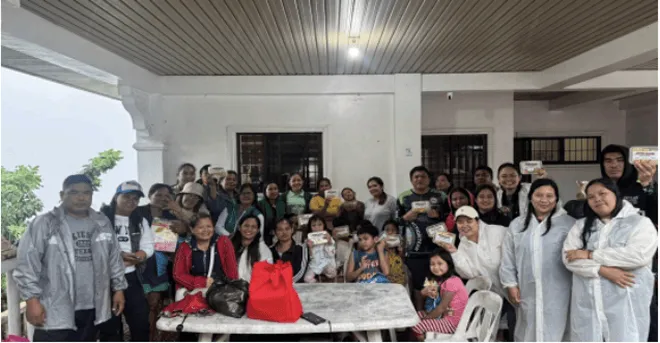
Turning innovation into nourishment and hope—bringing the Nutri Bar to communities in times of need and strengthening collective action for food security and resilience.Strengthened KADIWA initiatives to improve access to affordable and nutritious food Partnered with Tagaytay City Fresh Coalition, farmers, and local vendors Implemented community-based livelihood programs on food production and distribution
Together, we turn partnerships into meaningful action—building stronger, more resilient communities and creating opportunities for a better future.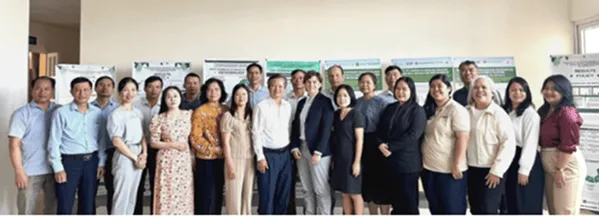
Institutionalized inclusive policies on access, scholarships, and student support services Allocated budget for financial aid and community development programs Established partnerships with government agencies (DSWD, TESDA, LGUs) and the private sector Developed data systems for tracking student socioeconomic profiles and outcomes
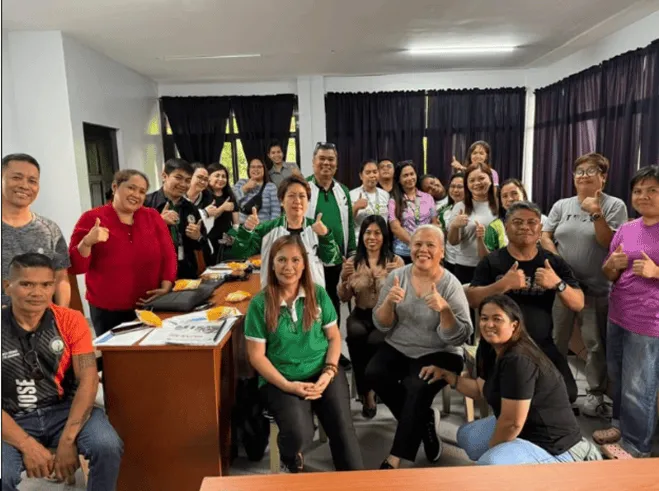
Campus stakeholders come together to strengthen collaboration and partnerships in support of food security, nutrition, and sustainable food systems.