SDG 4: Quality Education
No Poverty promotes access to quality education as a pathway to breaking the cycle of poverty and creating better opportunities for individuals and communities.
Implemented Outcomes-Based Education (OBE) with constructive alignment (IiLO– PEO–PO–CO–CILO) across all programs Integrated SDG principles, 21st-century skills, and lifelong learning competencies in curricula Strengthened faculty development (pedagogy, digital learning, assessment) Institutionalized English proficiency development using APTIS aligned with CEFR Ensured inclusive, flexible, and technology-enhanced learning modalities
Through our collaboration with the British Council, we strengthen English proficiency through APTIS—empowering learners with global skills for lifelong learning and success.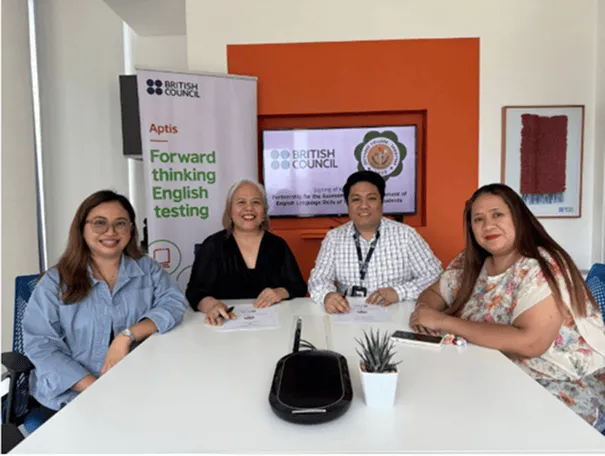
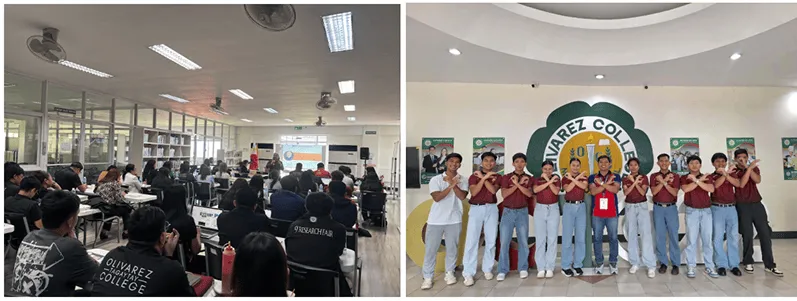
Promoted research on education, pedagogy, and learning innovation Conducted studies on student readiness, micro-credentialing, and learning effectiveness Encourage faculty and student research aligned with SDG 4 and educational quality improvement Utilize research outputs for curriculum enhancement and policy development
Turning research into meaningful opportunities for learning and growth, from research seminars to skills certification through NC II. These initiatives empower our students and faculty while strengthening educational quality and innovation.Implemented extension programs on literacy, ALS, and educational support (e.g., Reading Program for non-readers) Conducted teacher training, community education, and capacity-building programs Strengthened Industry-Academe partnerships for work readiness and employability Provide tutorials, remediation programs, and academic support services
Bringing education beyond the classroom through ALS, Lakbay Bulilit, and meaningful partnerships with DepEd—creating opportunities for learners and communities to learn, grow, and thrive.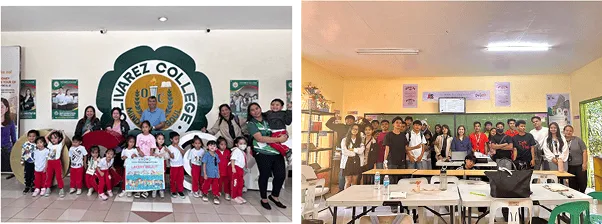
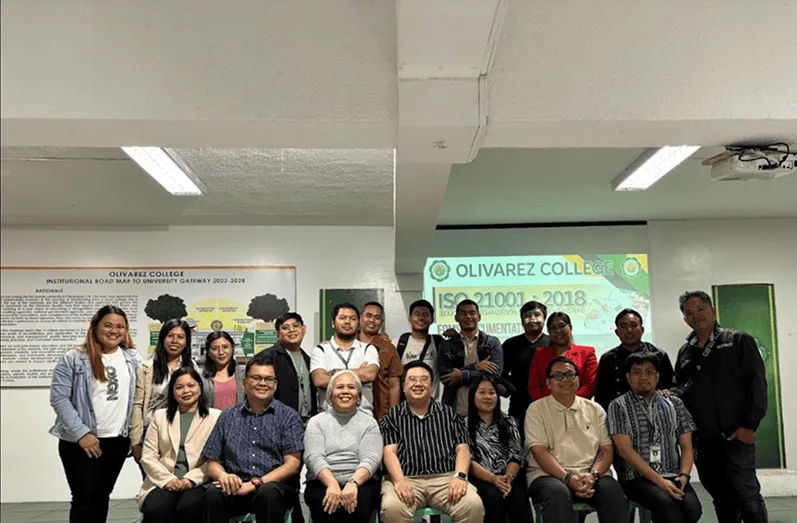
Institutionalized quality assurance systems aligned with ISO 21001 and PACUCOA standards Strengthened policies on curriculum development, assessment, and faculty evaluation Invested in digital infrastructure and learning resources (LMS, library, labs) Ensured inclusive education policies and student support systems Conducted regular internal audits and continuous improvement (PDCA cycle)
Strengthening our commitment to quality through the ISO and PACUCOA Preliminary Visit—continuously improving our systems, policies, and learning environment to ensure excellence, inclusivity, and better outcomes for every learner.